
Sourdough and skin: The surprising beauty benefits
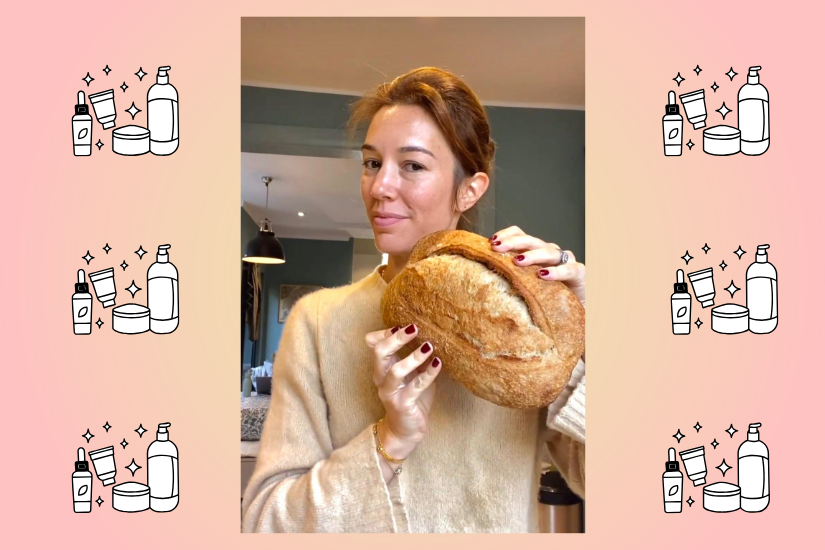
If glowing skin starts in the gut, the bread you choose might matter more than the serum on your bathroom shelf.
The idea of “eating your skincare” has moved from wellness trend to scientific conversation. Researchers in Dermatology and nutrition science increasingly recognise the link between digestion, inflammation, and skin health — a relationship known as the Gut–Skin Axis.
While berries, leafy greens, and oily fish usually get the spotlight for their skin benefits, there’s another everyday food quietly earning a place in the glow-from-within conversation: sourdough bread.
Thanks to its slow fermentation process, sourdough can influence blood sugar levels, gut bacteria, and nutrient absorption — three factors that may affect skin clarity and inflammation. In other words: the humble slice of toast might be doing more for your skin than you think.
How sourdough may support clearer skin
Sourdough won’t replace a good cleanser or sunscreen, but it may support skin health through several biological pathways.
1. Lower blood sugar spikes
Foods that cause rapid spikes in blood sugar can also increase insulin levels. Elevated insulin may stimulate oil production and inflammatory pathways in the skin, which can contribute to acne. (¹)
Because sourdough is fermented, the starches in the bread break down more slowly during digestion. This can result in:
- steadier blood sugar levels
- smaller insulin spikes
- less inflammatory signalling
Over time, that steadier metabolic response may support clearer skin.
Want to learn more about how sourdough affects blood sugar? Read our full guide on the glycaemic index of sourdough.
2. Prebiotics support the gut–skin axis
Despite being fermented, sourdough is not technically a probiotic food. Unlike foods such as Kefir or Yogurt, sourdough is baked at high temperatures that destroy most live microbes.
What sourdough can provide instead are prebiotic compounds, which help feed beneficial bacteria already living in the gut. Supporting the Gut Microbiome may influence inflammation, immune signalling, and skin health through the Gut–Skin Axis. (²)
Put simply: sourdough may help nourish the microbial ecosystem linked to skin health.
3. Better mineral absorption
During fermentation, sourdough partially breaks down phytic acid, a naturally occurring compound in whole grains that can bind minerals and reduce their absorption. This breakdown improves the availability of key minerals, including:
- zinc
- magnesium
- iron
Studies show that sourdough fermentation can reduce phytic acid by up to ~70%, significantly increasing mineral solubility compared with unfermented flour. (³)
These minerals are essential for skin health — zinc, in particular, supports wound healing, helps control inflammation, and regulates oil production, making it a key nutrient for clearer, healthier skin.
4. Anti-inflammatory fermentation by-products
The fermentation process produces organic acids — including lactic and acetic acid — which influence digestion and metabolic responses. Some evidence suggests these compounds may help regulate post-meal glucose and reduce inflammatory signalling, which can be relevant for skin conditions such as acne or eczema. (⁴)
5. Potential support for the skin barrier
Skin health isn’t just about breakouts. Hydration, resilience, and barrier function matter too.
Nutrients commonly found in whole-grain sourdough — including B vitamins, magnesium, and trace minerals — contribute to maintaining the skin barrier, supporting smoother, calmer, and more hydrated skin.
Although sourdough hasn’t been tested directly in clinical skin studies, nutrients that become more bioavailable after fermentation — like zinc, magnesium and B vitamins — are well‑established contributors to skin health. Adequate zinc supports wound healing and oil balance, ⁵ magnesium is linked to cell repair, ⁶ and B vitamins play roles in cellular metabolism and barrier integrity. (⁷)
“Eat your skincare”: sourdough toppings that love your skin
Sourdough becomes even more interesting nutritionally when paired with foods rich in healthy fats, antioxidants, and vitamins.
🍯 Fig & Ricotta Sourdough Toast
Why it’s great for skin
- Figs → antioxidants and fibre
- Pistachios → healthy fats + vitamin E
- Ricotta → protein + calcium
- Lemon zest → vitamin C for collagen
The recipe layers whipped ricotta, fresh figs, roasted pistachios and honey on toasted sourdough for a nutrient-rich breakfast or snack.
⭐Best for skin glow
🥑 Green Goddess Bagel
Why it’s good for skin
- Avocado → rich in vitamin E and healthy fats
- Spinach & basil → antioxidants and vitamin C
- Egg → protein + biotin
- Fermented sourdough → may support gut health, which can influence skin
The recipe layers avocado, spinach, egg, herbs and pickled onion on a toasted sourdough bagel, creating a nutrient-dense breakfast.
⭐ Best overall recipe for skin
🐟 Loaded Bagel (Salmon & Avocado)
Why it’s great for skin
- Smoked salmon → omega-3 fatty acids (help reduce inflammation)
- Avocado → skin barrier support
- Cucumber → hydration
- Fresh herbs → antioxidants
The filling combines smoked salmon, avocado, cucumber, capers, and herbs for a nutrient-rich sourdough bagel.
⭐ Best for anti-inflammatory skin support
🥗 Fig, Walnut & Goat’s Cheese Salad with Rye Croutons
Fig Walnut Goat Cheese Salad with Rye Croutons
Why it’s skin-friendly
- Figs → polyphenols + fibre
- Walnuts → omega-3s and zinc
- Olive oil dressing → vitamin E + healthy fats
- Leafy greens → vitamins A & C
The salad combines lettuce, figs, walnuts, goat’s cheese and rye croutons with a vinaigrette.
⭐ Best antioxidant-rich recipe
How to choose a good sourdough
Not all loaves labelled “sourdough” are created equal. Look for bread made with a natural starter, minimal ingredients (flour, water, salt), and a long fermentation process, which together give it slower digestion, better mineral availability, and more flavour than standard yeasted or ultra-processed breads. For more on selecting artisan sourdough, check out this guide on our site.
The final crumb
Sourdough isn’t a miracle skincare ingredient — but it’s a good reminder that skin health often starts far beyond the bathroom shelf.
Compared with ultra-processed breads, traditional sourdough offers slower digestion, fewer additives, and fermentation-driven nutritional benefits that may support the gut, metabolic health, and inflammation balance. Because the Gut–Skin Axis links digestive health to skin health, those internal benefits can sometimes show up on the outside.
So if your skincare routine includes sunscreen, a decent moisturiser, and the occasional slice of really good sourdough toast… you may already be practising a form of edible skincare. Not bad for a loaf of bread.


